
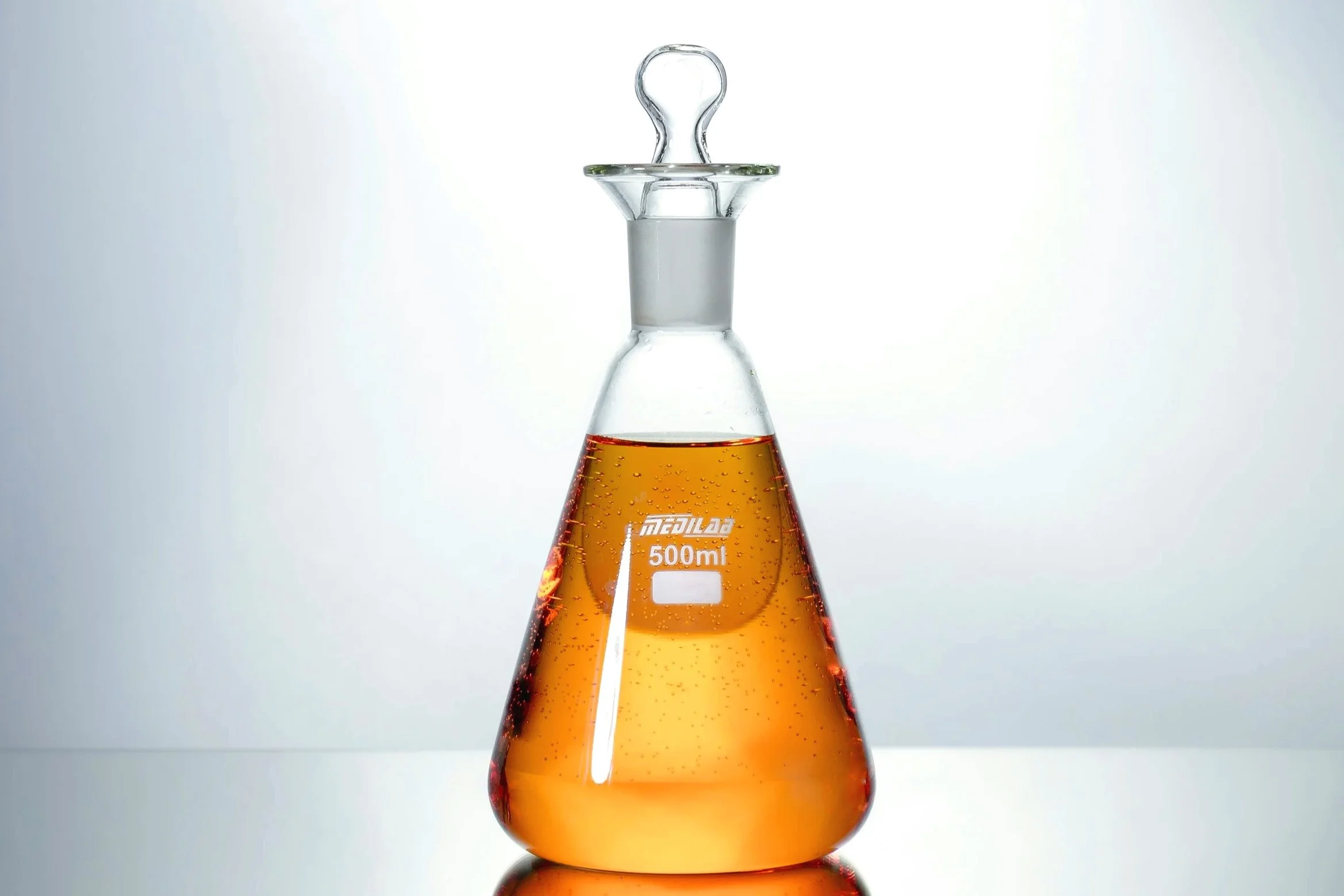
The Method.
Precision, responsibility & intelligent use.
Applying scientific clarity to real-world cannabis practice.
Our Methodology
Cannabis is not a novelty substance. It is a powerful psychoactive and neuromodulatory agent with established therapeutic potential, capable of influencing mood, perception, pain, sleep, cognition, and nervous system regulation.
When a substance reliably affects the brain and body in this way, the ethical response is not folklore, hype, or casual experimentation — it is clarity, responsibility, and intelligent use.
Modern access to carefully cultivated flower of known chemical profile, alongside precise dry-herb vaporisation, now enables a level of control that did not exist for previous generations. Individuals can meaningfully shape dose, delivery dynamics, temperature, timing, and consistency — the same variables that define responsible practice in any biological or therapeutic domain.
This precision matters. It improves safety and outcomes, and elevates cannabis from guesswork into something that can be understood, refined, and respected.
At the same time, precision does not mean complexity or burden. The Method is designed to translate applied cannabinoid science into practical, human use — quietly supporting stability, recovery, creativity, insight, and rest, rather than dominating them.
This is the foundation from which everything else follows.

Your membership places you inside the world’s first fully systematised, scientifically grounded approach to real-world cannabis use.
The Method integrates compound science, Thermotemporal Vaporisation (TTV™), and human behaviour into a coherent system — transforming cannabis from improvisation into something that can be understood, refined, and responsibly applied.
Principles of Intelligent Use
Intelligent use is not about restriction or perfection.
It is about understanding what you are working with, applying care and consistency, and using a powerful substance deliberately — in service of health, stability, and quality of life.
Respect the Substance
Cannabis is not a novelty or a casual enhancer.
It is a powerful psychoactive and neuromodulatory agent capable of meaningfully influencing mood, perception, pain, sleep, cognition, and nervous system regulation.
Design for Real Life
Intelligent use should integrate smoothly into daily life, not require laboratory behaviour or constant optimisation.
The aim is practical clarity: simple habits, reliable tools, and repeatable structures that quietly support wellbeing without becoming a burden.
Prioritise Precision
Dose, delivery method, temperature, timing, and consistency shape outcomes more than strain names or folklore ever could.
Minimum Effective Dosing promotes precise effects and reduces harm potential and tolerance.
Serve the Whole System
Cannabis is one tool within a broader personal regulation system — alongside sleep, movement, nutrition, cognition, relationships, and environment.
Used thoughtfully, it supports stability, recovery, insight, and balance — rather than dominating attention, identity, or routine.
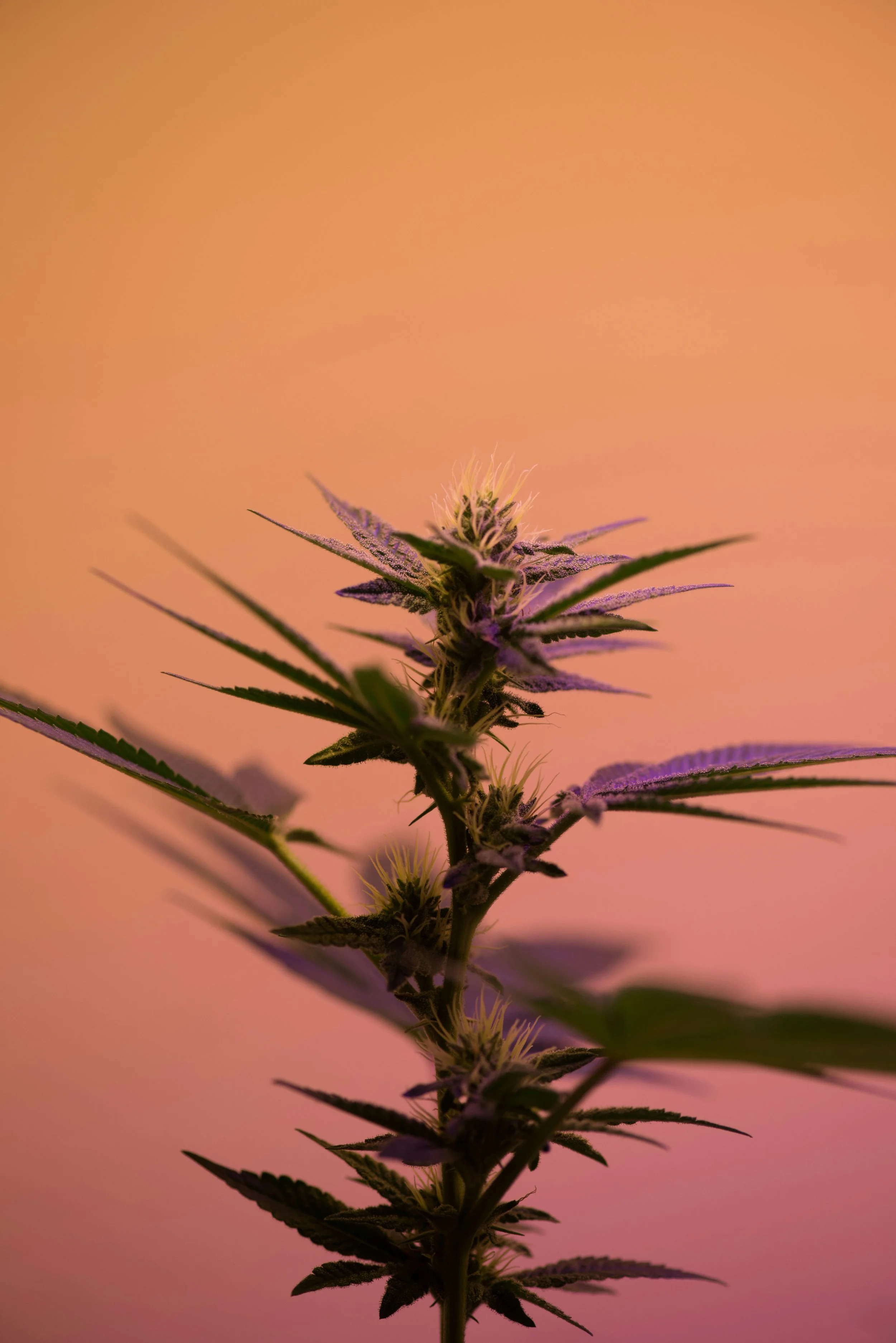

Temporal Architecture
The Three Clocks Model
Cannabis produces multiple concurrent physiological and psychological effects arising from a diverse set of active compounds whose chemical state, release, and biological activity change over time.
The Hourglass: Delivery
What is released — and when
This clock governs how cannabinoids and terpenes are thermally transformed and released from the plant during vaporisation.
Different compounds volatilise and decarboxylate at different temperatures. By shaping temperature, airflow, and session structure over time, it becomes possible to influence which compounds are released, in what sequence, for how long, and whether they arrive separately or together.
Delivery timing establishes the chemical foundation of the session.
Cannabinoids and terpenes volatilise and decarboxylate at different temperatures, absorb at different rates, and interact dynamically within the nervous system. By controlling temperature and timing, it becomes possible to influence when compounds change state, when they enter the body, and how they overlap biologically.
To make this complexity intuitive, The Method views cannabis through three complementary time lenses — like three different clocks running simultaneously. Each clock tracks a different phase of compound behaviour, and when they are aligned intentionally, outcomes become more predictable, stable, and useful.
The Stopwatch: Pharmacodynamics
How compounds enter and act endogenously
Once inhaled, compounds are absorbed, distributed, and expressed within the nervous system at different rates.
Onset speed, peak intensity, duration, and overlap vary between cannabinoids, terpenes, and modulators such as CBD. These pharmacodynamic timings determine how effects layer, reinforce, soften, or counterbalance one another over time.
Biology introduces its own clock — distinct from delivery, yet tightly coupled to it.

The Desk Clock: Effects & Experience
How effects unfold in lived time
This clock reflects the subjective and functional experience of a session as it unfolds in real life.
Attention, mood, perception, somatic relief, insight, emotional processing, and fatigue each emerge on their own timelines.
The order, pacing, and overlap of these effects determine whether a session feels coherent, stabilising, scattered, overstimulating, or restorative.
Variables of Control
The Three Clocks model reveals how outcomes emerge over time.
Control comes from shaping the conditions that drive those clocks.
Rather than treating cannabis effects as unpredictable or purely strain-driven, The Method identifies a small set of practical variables that meaningfully determine how compounds are released, absorbed, and expressed within the nervous system.
When these variables are governed intentionally, sessions become repeatable, stable, and purpose-aligned.
-
Determines which cannabinoids and terpenes volatilise or decarboxylate, in what sequence, and at what intensity. Temperature shapes the chemical composition of what enters the body.
-
Controls how long compounds are delivered, whether phases are layered or separated, and how delivery aligns with biological absorption and effect windows.
-
Defines total psychoactive load and modulation balance. Small changes in dose often produce disproportionate changes in stability, tolerance, and functional clarity.
-
Airflow, chamber behaviour, device design, and inhalation pattern influence extraction efficiency, compound ratios, and rate of delivery.
-
The cannabinoid and terpene composition of the material sets the baseline biological potential and interaction landscape.
-
Repeatability stabilises outcomes. Consistent preparation, measurement, and session structure reduce noise and improve learning, safety, and predictability over time.
Thermotemporal Vaporisation (TTV™)
Precision through temperature and time.
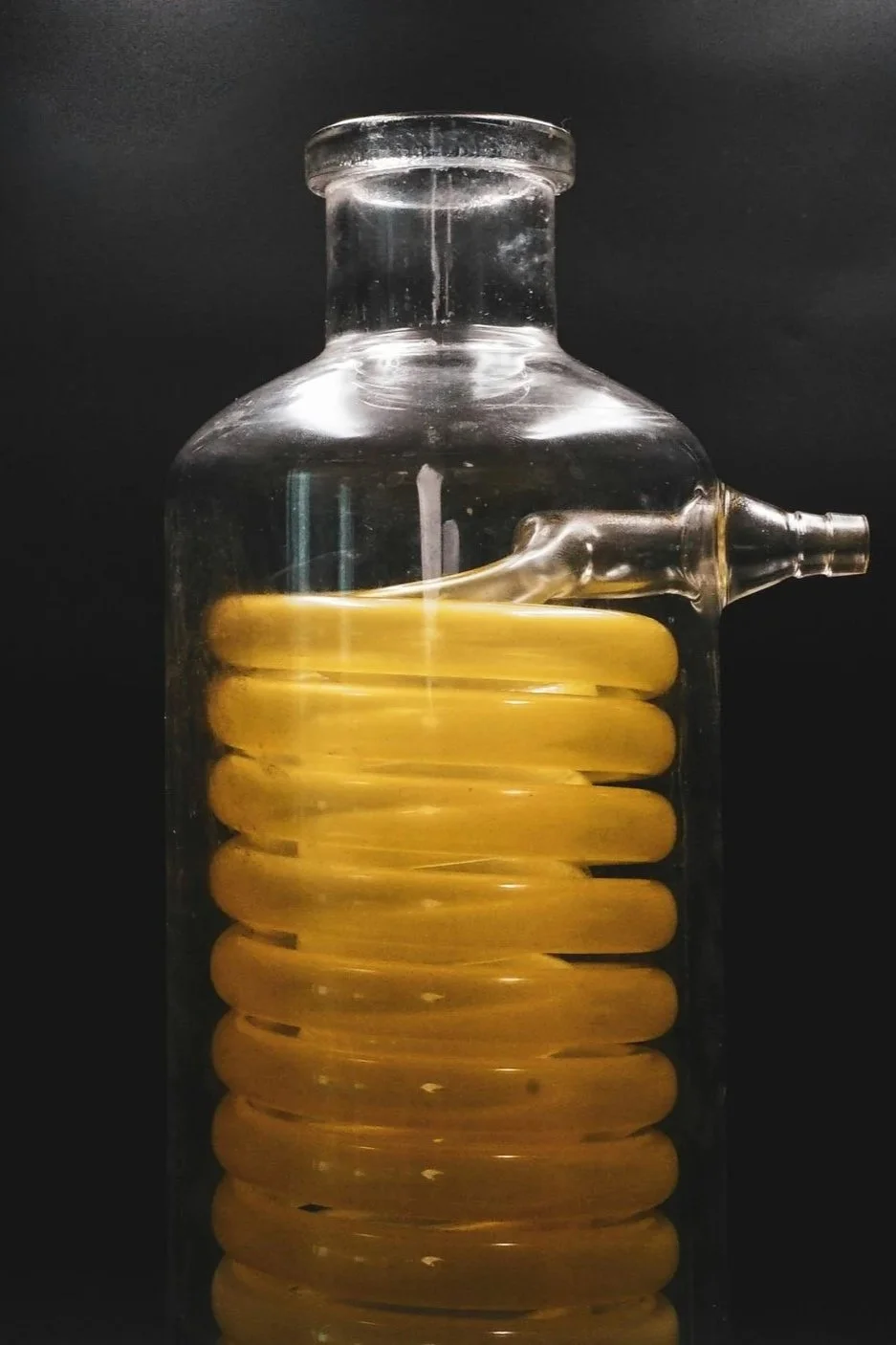
TTV™ defines how heat and timing are structured during vaporisation to control how compounds transform, release, and enter the body. Because cannabinoids and terpenes volatilise at different temperatures and act on different biological timelines, shaping thermotemporal progression allows their interaction and overlap to be guided intentionally.
This converts vaporisation from a passive act into a controlled process — making outcomes more predictable, stable, and purpose-aligned.
For members, this system is first encountered through a set of Standard Delivery Profiles — foundational protocol patterns that translate the Method into safe, repeatable starting practices, and provide the structured pathway toward fully personalised protocol design.

Δ9E™ — The Psychoactivity & Physiological Modelling Engine
Δ9E™ is Delta-Nine’s proprietary internal algorithmic model of cannabis psychoactivity and pharmacodynamics, developed exclusively to support the Method and its precision-led approach.
It analyses how material composition, thermotemporal control, dose, and delivery variables interact within the nervous system and wider physiology — modelling not only subjective psychoactive intensity, but also timing, duration, directional effects, and non-psychoactive mechanisms such as autonomic modulation, inflammatory signalling, and sleep architecture.
Rather than being a user-facing tool, Δ9E operates beneath the Method itself. It informs how protocols are designed, how guidance is structured, how safety boundaries are defined, and how predictable outcomes are achieved across different bodies, tolerances, and real-world use contexts.
When you consult with your Practitioner, they model the chemical and pharmacological behaviour of your cannabis flower — both individually and in combination — within the Δ9E framework, examining how thermotemporal control, dose, compound layering, and supplementary cannabinoids influence psychoactive trajectories alongside non-psychoactive physiological effects. This enables protocols to be engineered intentionally rather than discovered through trial and error, aligning compound behaviour with your therapeutic aims, tolerance profile, and nervous system response.
For members, the result is clarity rather than guesswork: a system that supports safer experimentation, more consistent outcomes, and progressively refined control over real-life use.

Practices of Intelligent Use
Delta-Nine is not about passive dosing or strain chasing.
Members develop a practical literacy in how compounds behave in real bodies, over real time, under controllable conditions.
These practices translate the Method into embodied skill — enabling cannabis to be used intentionally for regulation, recovery, performance, and long-term nervous system stability.
Compound Design & Blending
Members learn how to construct compound profiles, rather than relying on single flowers in isolation.
This includes:
Combining complementary chemovars to shape balance, direction, and stability
Using supplemental CBD (flower, oils, capsules) to modulate psychoactivity, anxiety load, inflammation, and recovery tone
Designing layered cannabinoid ratios intentionally rather than reactively across sessions.
Understanding terpene influence beyond aroma — including priming, damping, and steering effects
The goal is not stronger effects, but cleaner, more controllable ones.
Dose Strategy & Temporal Planning
Members learn to treat dosing as a physiological strategy rather than an isolated event.
This includes:
Designing functional microdosing and stacked dosing sequences
Planning psychoactive and non-psychoactive load distribution across the day
Anticipating onset timing, peak windows, and recovery phases
Managing tolerance, sensitisation, and rebound effects
Aligning sessions with cognitive, emotional, and physical demands
Rather than reacting to symptoms or chasing effects, members build stable, repeatable daily pharmacological rhythms that support performance, recovery, and long-term nervous system resilience.
Thermotemporal Session Engineering (TTV™)
Members learn to actively shape how compounds are released and expressed over time using Thermotemporal Vaporisation™ (TTV™) principles.
This includes:
Temperature sequencing to control which compounds volatilise and when
Phase structuring across NeuroPriming™, NeuroLift™, Somatic Optimisation™, and Hypnogenic Apex™
In-device decarboxylation and controlled chemical conversion (e.g. CBN formation)
Managing compound overlap windows rather than single-temperature delivery profiles
Sessions become engineered processes, not improvisation.
Technique, Physiology & Signal Quality
Members refine the physical execution of every session to maximise clarity, comfort, and consistency.
This includes:
Correct grinding, blending, and packing techniques
Airflow optimisation and draw cadence control
Breathwork integration for smoother absorption and autonomic regulation
Minimising airway irritation and thermal stress
Improving signal precision rather than raw intensity
Small mechanical variables dramatically influence how compounds are absorbed and perceived. Mastery at this layer ensures the nervous system receives a clean, predictable signal — not noise.

Ancillary Neuro-Modulation Practices
-
![]()
Beyond the Session
These practices extend compound control beyond chemistry alone — shaping sensory input, nervous system tone, cognitive state, and recovery dynamics.
Together, they allow members to stabilise, steer, and deepen outcomes across the full day and across long-term adaptation.
-
![]()
Neuroacoustic Regulation
Targeted sound protocols — including binaural and rhythmic entrainment — are used to influence arousal, attentional coherence, and recovery states, supporting smoother transitions and deeper nervous system settling.
-
![]()
Respiratory & Autonomic Control
Breath patterning modulates vagal tone, carbon dioxide tolerance, absorption dynamics, and psycho-physiological stability — improving comfort, clarity, and autonomic regulation during and after sessions.
-
![]()
Nutritional & Nootropic Support
Micronutrients, metabolic substrates, and targeted nootropics support mitochondrial function, neurotransmitter balance, recovery capacity, and cognitive resilience — strengthening the physiological foundation that protocols operate upon.
-
![]()
Circadian & Recovery Alignment
Light exposure, sleep timing, recovery practices, and nervous system pacing are aligned to reinforce stable rhythms, accelerate adaptation, and reduce cumulative stress load across daily cycles.
-
![]()
Cognitive Framing & Intentionality
Attention, expectation, emotional framing, and reflective practice shape how psycho-physiological signals are interpreted, consolidated, and integrated — amplifying learning and reducing maladaptive patterning.
-
![]()
Environmental Signal Design
Lighting, temperature, posture, sensory load, and contextual cues influence nervous system state and perceptual stability, allowing environments themselves to reinforce regulation rather than compete with it.






Integrative Practice
Delta-Nine is not a collection of techniques.
It is a coherent operating framework for working intelligently with psychoactive compounds in real bodies, over real time, under controllable conditions.
The Method defines the principles of responsible use.
Thermotemporal Vaporisation (TTV™) provides mechanical control over compound delivery and timing.
Δ9E™ models how those variables translate into psychoactivity and physiological response.
The Practices of Intelligent Use transform that structure into embodied skill.
Ancillary neuro-modulation practices extend stability, recovery, and adaptive capacity beyond the session itself.
Together, these layers allow cannabis to move from improvisation into deliberate practice — supporting nervous system regulation, cognitive clarity, physical recovery, and long-term resilience.
What emerges is not optimisation for its own sake, but dependable control, predictable outcomes, and sustained wellbeing across real life.
Structured Pathways Forward
Members typically engage with the system through progressively deeper layers of practice.
Each layer builds upon the previous one, allowing members to progress at a measured pace while maintaining safety, clarity, and consistency.
Standard Delivery Profiles
Foundational protocol patterns that translate the Method into safe, repeatable starting practices — establishing reliable baselines before individualisation.
Personalised Protocol Design
Thermotemporal sequencing, compound layering, dose strategy, and session architecture aligned to individual physiology, goals, and tolerance profile.
Integrated Regulation & Performance
Ancillary modulation, recovery alignment, and cognitive framing integrated into daily rhythms — supporting stability, adaptability, and long-term nervous system health.
Precision, Applied Quietly
Delta-Nine does not seek attention. Its value lies in reliability, restraint, and disciplined application.
The system exists to support clarity of mind, steadiness of body, and confidence of control — whether the goal is recovery, regulation, creative performance, or sustained wellbeing.
Intelligent use is not about doing more.
It is about doing precisely what is needed — no more, no less — with care, consistency, and respect for the system being shaped.